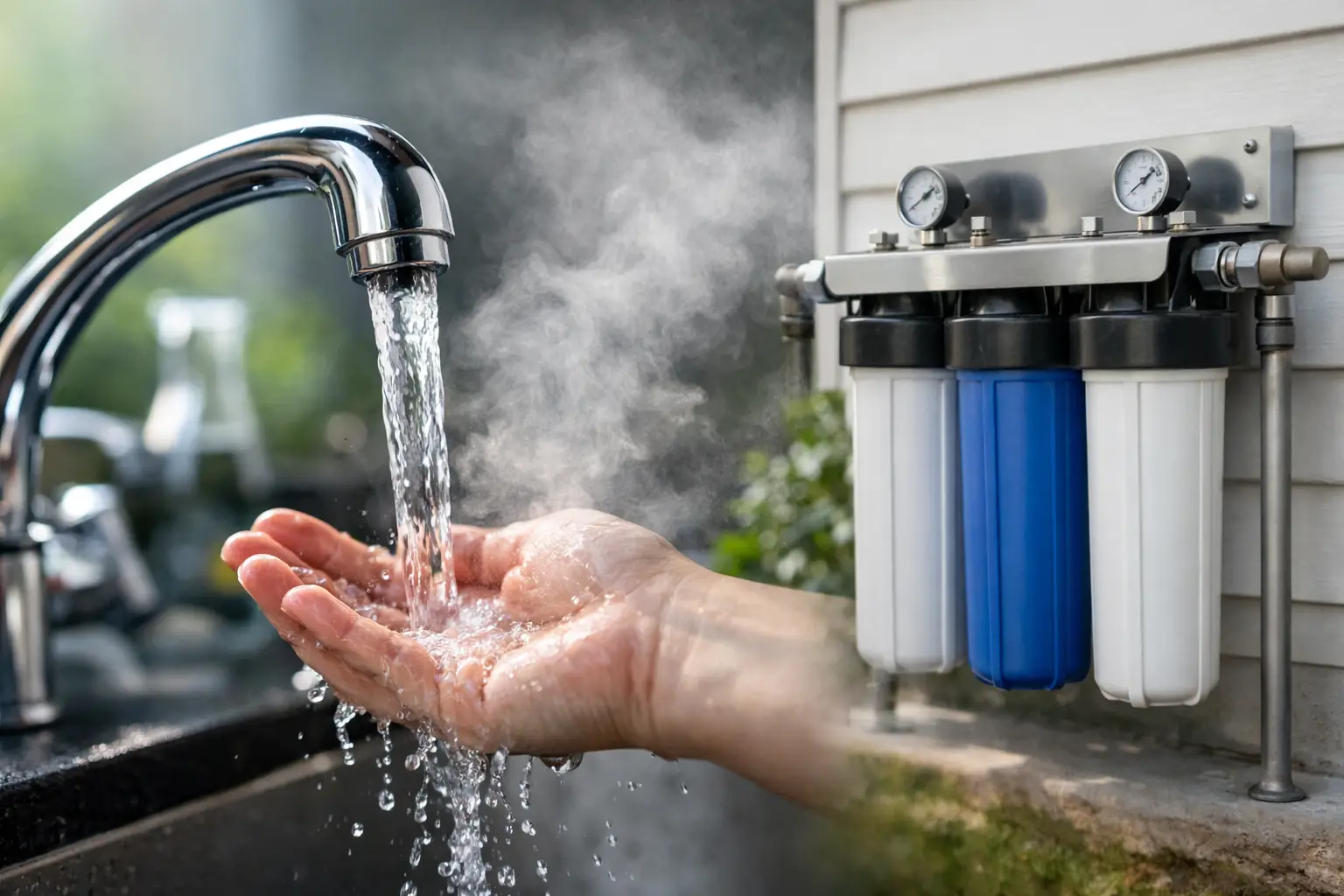
You fill a glass from the kitchen tap, bring it up for a sip, and the smell hits first – sharp, chemical, a bit like a swimming pool. If you’ve been asking, why does my tap water smell like chlorine, the short answer is that your water supplier is most likely disinfecting the water properly. The less comforting part is that even safe, treated water can still be unpleasant to drink, cook with, shower in, and use throughout the home.
In Perth and across parts of Western Australia, chlorine in tap water is a common complaint. For many households, it is not just about taste. That same smell can affect tea and coffee, leave skin feeling dry after a shower, and make the whole home feel like the water quality is not quite where it should be.
Why does my tap water smell like chlorine in the first place?
Chlorine is added to municipal water supplies to kill bacteria, viruses, and other harmful microorganisms. It plays an important role in keeping drinking water safe as it travels through treatment plants, storage facilities, and pipe networks before reaching your home.
That smell becomes more noticeable when chlorine levels are slightly higher than usual, when water has been sitting in your household pipes, or when your sense of smell is simply picking it up more strongly. Warm water can also make the odour seem stronger, which is why many people notice it most in the shower or when filling a sink.
A chlorine smell does not always mean there is something wrong with the water. Often, it means the water has been disinfected as intended. But there is a difference between technically safe water and water that feels pleasant to use every day.
Why the smell can seem stronger at certain times
If your tap water only smells like chlorine now and then, that is not unusual. Water conditions can shift for a range of reasons.
Seasonal treatment changes are one factor. Water suppliers may adjust disinfection levels during warmer weather or after heavy rain, especially if source water conditions change. Maintenance work on local infrastructure can also affect how water tastes or smells for a short period.
Water sitting in your home’s plumbing can make the smell more obvious too. If a tap has not been used for several hours, the first water through may smell stronger. Running the tap briefly can sometimes reduce that intensity, although it does not remove chlorine from the supply itself.
Some households are simply more sensitive to it. If one person in the home says the water smells fine and another says it smells like a pool, both can be telling the truth. Taste and smell vary from person to person.
Is chlorine-smelling tap water safe to drink?
In most cases, yes. Australian drinking water is disinfected under strict standards, and a chlorine smell on its own does not usually mean the water is unsafe. In fact, chlorine is there to help protect your household from microbial contamination.
That said, safety is only one part of the picture. Water can meet guidelines and still be unpleasant to drink or use. Many families are not looking for bare-minimum compliance. They want water that tastes cleaner, smells better, and feels gentler across the whole home.
If the smell is suddenly very strong, if the water appears discoloured, or if there are other unusual signs such as sediment or changes in pressure, it is worth getting the supply checked. Chlorine odour by itself is usually a treatment issue, but unusual changes deserve attention.
Could it be something other than chlorine?
Sometimes, yes. People often describe several different water odours as “chlorine” because it is the closest familiar smell. In practice, a chemical smell from the tap can have a few causes.
Chloramine, which is a mix of chlorine and ammonia used in some water treatment processes, can create a similar smell and taste. Organic matter in the water reacting with disinfectants can also affect odour. In homes with older plumbing, internal pipe conditions may contribute to how water smells after sitting in the lines.
If the smell is more like rotten eggs, that points more towards sulphur-related issues rather than chlorine. If it smells metallic, that can suggest minerals or pipe-related concerns. This is why it helps to look at the whole picture rather than relying on smell alone.
Why chlorine affects more than drinking water
Most people first notice chlorine at the kitchen sink, but its impact does not stop there. Because point-of-use filters only treat one outlet, they leave the rest of the home unchanged.
That matters if you are showering in chlorinated water, washing clothes in it, bathing children in it, or running it through appliances every day. Chlorine and other common water issues can contribute to dry skin, dull hair, lingering odours, and extra wear on fixtures over time. If your goal is better water quality across the home, treating one tap rarely solves the whole problem.
For homeowners, this is where the conversation often shifts from “Is the water safe?” to “Is the water right for our home?” Those are not the same question.
How to reduce chlorine smell from tap water
If the smell is mild, a few short-term steps can help. Letting cold water run for a moment may reduce the odour if the water has been sitting in the pipes. Chilling drinking water in the fridge can make the taste and smell less noticeable. Some bench-top or under-sink filters can also reduce chlorine at a single outlet.
The trade-off is coverage. These options may improve the water you drink from one tap, but they do not address showers, bathroom basins, laundry use, or appliance supply. For families concerned about total household water quality, the more practical long-term solution is usually filtration at the point where water enters the home.
Why whole-house filtration makes more sense for many WA homes
A whole-house filtration system is designed to treat water before it reaches your taps, showers, and appliances. That means chlorine reduction is not limited to the kitchen. You get more consistent water quality throughout the property.
This approach is especially relevant in Perth and WA homes where chlorine, sediment, hardness, and general water performance are all part of the problem. A system that only targets drinking water leaves a lot of those day-to-day issues untouched.
A properly selected and professionally installed multi-stage system can help reduce chlorine taste and odour while also managing sediment and other unwanted matter. The result is not only nicer drinking water, but a better experience in the shower, less stress on plumbing fixtures, and more confidence in the water your family uses every day.
For homeowners who want a cleaner, simpler setup, this matters. You do not need multiple add-ons across the house or a patchwork of DIY filters to chase the same outcome.
When it is time to get expert advice
If you keep asking why does my tap water smell like chlorine, and the issue is affecting taste, comfort, or confidence in your home’s water, it is worth having the water assessed properly. The right solution depends on your water source, your plumbing setup, and what else is happening alongside the chlorine smell.
For some households, the problem is mostly odour. For others, it sits alongside hard water, sediment, scale build-up, or concerns about skin and hair. That is why a one-size-fits-all filter often falls short.
Aqua Mantra Filters works with homeowners who want a supplied-and-installed solution rather than guesswork. That means looking at the home as a whole, matching the filtration system to the water conditions, and having installation completed by a licensed plumber so the result is reliable from day one.
Why does my tap water smell like chlorine after a filter?
If you already have some form of filter and can still smell chlorine, there are a few likely reasons. The filter may only be treating one tap, the cartridge may be due for replacement, or the system may not be designed to reduce chlorine effectively enough for your local water conditions.
This is a common frustration with smaller filters. They can help for a while, but once flow rates, maintenance, or broader household use come into the picture, performance may not match expectations. A well-designed whole-house system is typically the better fit when chlorine is affecting more than just the taste of drinking water.
Water should feel clean, smell fresh, and support the way your household lives. If your tap water keeps reminding you of a public pool, that is a sign your home may be ready for a better standard of filtration.